Could Changing Your Mindset Be the Key to Building Resilience in Kids?
- Ducky's Play and Development Centre

- Sep 29, 2025
- 3 min read
As parents, we want our children to grow up happy, confident, and capable of handling life’s ups and downs. But resilience—being able to bounce back after challenges—doesn’t happen overnight. It’s built slowly, through everyday interactions, small struggles, and the way we guide our little ones through them.
For toddlers, resilience isn’t about “toughing it out” or hiding their feelings—it’s about knowing they are safe, supported, and capable, even when things don’t go their way. Early childhood experts remind us that resilience is nurtured, not forced. According to Australia’s Early Years Learning Framework (EYLF), children build resilience through three key elements: secure relationships, opportunities to explore, and gentle encouragement to try again.
When a toddler trips while running, for example, resilience grows not because we tell them to “be brave,” but because we comfort them, acknowledge their feelings, and cheer them on when they try again. These everyday moments, handled with warmth and responsiveness, teach children that challenges are part of learning—and that they don’t face them alone.
Research from Harvard’s Center on the Developing Child also emphasizes that responsive, supportive relationships are the foundation for resilience. This means resilience isn’t built in isolation; it’s built through trust. When toddlers know they can rely on caring adults, they feel confident to take risks, explore new environments, and recover from setbacks.
In practice, this could look like:
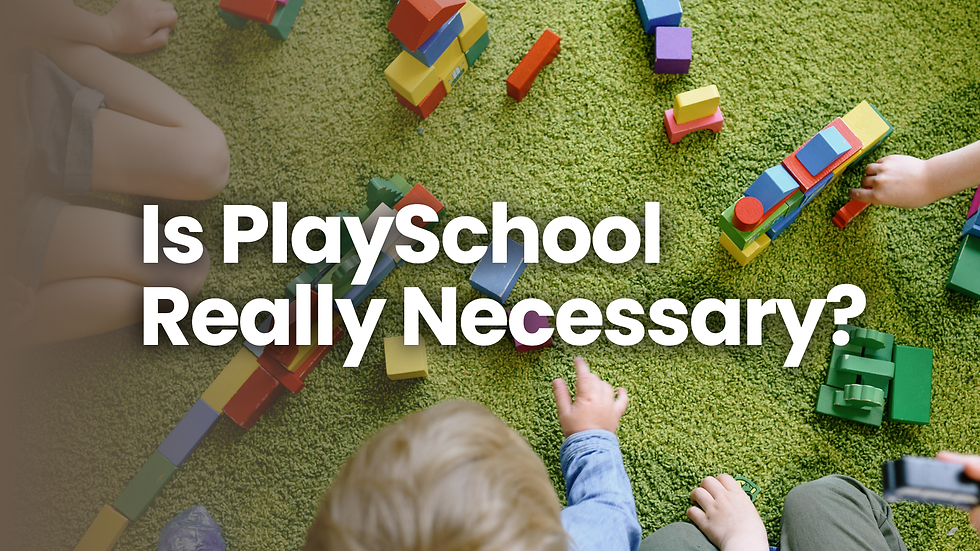
Giving a child space to try building a tower, even if it keeps toppling over.
Modeling calm problem-solving when frustration rises.
Encouraging persistence with playful language like, “That was tricky—want to try a different way together?”
Resilience in the early years is less about grit and more about belonging, being, and becoming—core values of the EYLF. By creating environments filled with play, curiosity, and strong relationships, we set the stage for children to not only bounce back from challenges but to grow stronger because of them.

Here are three simple mindset shifts you can start practicing at home to raise resilient kids.
1. Shift from “I need to fix this for my child” → to “I can support my child as they figure it out.”
It’s tempting to step in when your toddler struggles with a puzzle piece, spills water, or can’t get their shoes on. But every time we jump in too quickly, we accidentally take away a chance for them to problem-solve.
Instead, try pausing. Offer encouragement like, “I see you’re working hard on that—want to try again?” or “That was tricky, but you kept trying.” This builds confidence in their ability to handle small frustrations—an important building block of resilience.
2. Shift from “Mistakes mean failure” → to “Mistakes are how we learn.”
Children learn best by experimenting, trying, and yes—making mistakes. For toddlers, mistakes are part of play and exploration.
If your child knocks over their block tower, instead of focusing on the “mess,” you can reframe it: “Wow, that tower was tall! Want to see how we can build it stronger?”
This teaches them that setbacks aren’t final—they’re just steps along the way.
3. Shift from “I need my child to be happy all the time” → to “It’s okay for my child to feel big emotions.”
Resilience doesn’t mean avoiding sadness, frustration, or anger—it means learning to move through those feelings with support.
When your toddler has a meltdown because playtime is over, it’s an opportunity to validate their feelings: “I know it’s hard to stop playing—you really love your blocks.” Then, gently guide them toward the next step: “Let’s put them away together, and we’ll play again tomorrow.”
This helps your child understand that emotions are normal and manageable. Over time, they’ll learn that they can handle disappointment and still feel secure.

Resilience isn’t something we “teach” in one lesson. It’s built in the everyday moments—when we let our toddlers try again, when we treat mistakes as learning opportunities, and when we create a safe space for big feelings.
As the Early Years Learning Framework reminds us, children are strong, capable, and full of potential. With our support and a few mindset shifts, we can help them grow into confident, resilient learners who face life’s challenges with courage and curiosity.


.png)
Comments